Sweepstakes Casino Banned States: Why WA and ID Restrict Play
 Available in US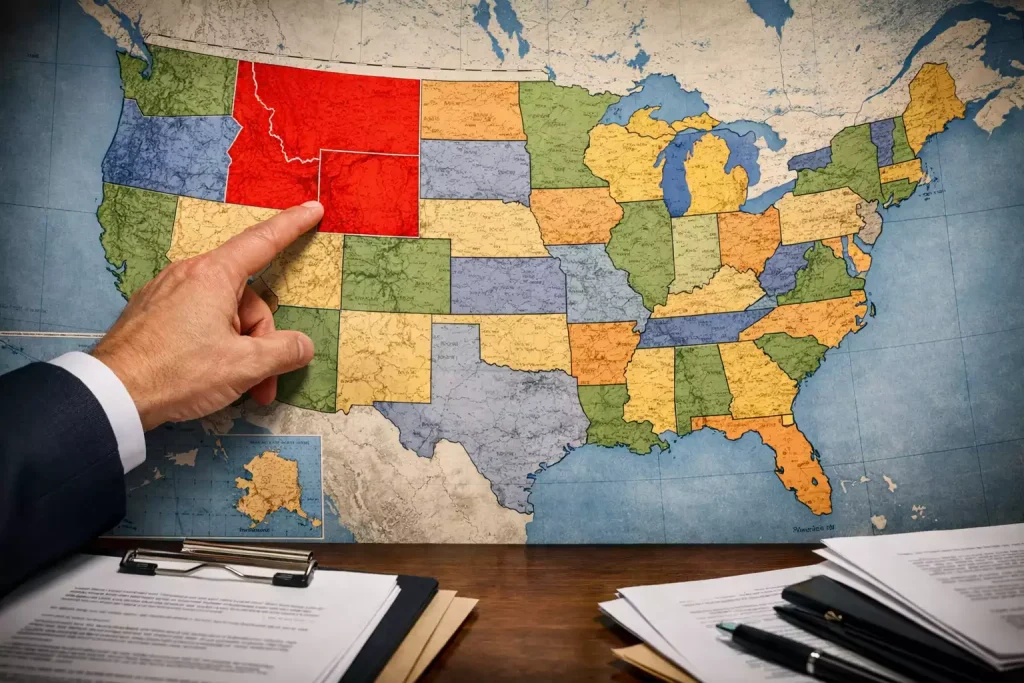
Understanding why some states say no. While sweepstakes casinos operate legally across 35+ states according to KPMG analysis—generating over $10.6 billion in gross revenue—a handful of states prohibit or severely restrict these platforms. Washington and Idaho represent the most consistently restricted states, with players there unable to access major sweepstakes platforms regardless of how carefully those operators structure their offerings.
The reasons behind state restrictions illuminate how different jurisdictions interpret sweepstakes gaming and what factors drive prohibition decisions. Understanding these dynamics helps players in restricted states appreciate why they’re excluded and helps players in permitted states recognize that access isn’t guaranteed everywhere.
This guide examines why Washington and Idaho restrict sweepstakes casinos, explores other states with partial or emerging restrictions, and considers whether these positions might change over time. The legal landscape evolves continuously, making ongoing awareness valuable for all participants.
Washington State Analysis
Washington maintains the most comprehensive sweepstakes casino prohibition in the United States. State law defines gambling broadly and explicitly includes sweepstakes-style gaming within restricted categories. Platforms operating in Washington face clear legal risk, leading most major operators to exclude Washington residents entirely.
The legal framework in Washington classifies online gambling as a Class C felony—among the strictest classifications anywhere in the country. While enforcement against individual players remains limited, the severe potential consequences create risk that platforms prefer avoiding entirely. Court proceedings have reinforced Washington’s position, including a notable verdict finding High 5 Games liable for $24.9 million in a case with Washington implications. With over 100 class action lawsuits filed against sweepstakes casinos nationwide in 2025 alone, legal exposure shapes operator decisions significantly.
Washington’s tribal gaming interests influence state policy significantly. Federally recognized tribes operate extensive casino facilities throughout the state under compacts with state government. These tribal interests oppose competition from sweepstakes casinos and possess political influence that shapes legislative and regulatory positions.
The state’s interpretation leaves little ambiguity for sweepstakes operators. Unlike states where clever structuring might satisfy legal requirements, Washington’s approach treats the gameplay experience as determinative regardless of the underlying promotional mechanics. If the activity resembles gambling, Washington regulates it as gambling.
Players residing in Washington have limited options. Some attempt VPN usage or address misrepresentation to access platforms, but such approaches violate platform terms and potentially state law. The risks substantially exceed the entertainment value, and account closures with balance forfeitures occur when violations are detected.
Washington’s position appears durable. No significant legislative movement toward accommodation has emerged, and tribal gaming interests continue opposing any changes that might introduce competition. Players in Washington should assume continued exclusion from sweepstakes casinos rather than expecting near-term access.
Idaho Analysis
Idaho restricts sweepstakes casinos through gambling laws that operators interpret as prohibiting their services. While less explicitly targeted than Washington’s approach, Idaho’s legal framework creates sufficient uncertainty that most major platforms exclude Idaho residents as a compliance precaution.
State constitution provisions in Idaho prohibit gambling with exceptions only for specific activities like the state lottery and pari-mutuel betting on horses and dogs. Sweepstakes casinos don’t fit within enumerated exceptions, leaving their status legally questionable. Operators choosing to serve Idaho players accept risk that Idaho authorities might take enforcement action.
Idaho lacks the extensive tribal gaming infrastructure that shapes Washington’s politics, but conservative social values influence policy positions. The state’s approach to gambling reflects broader skepticism about gaming expansion rather than specific economic interests like tribal casino protection.
Enforcement activity against sweepstakes operators in Idaho remains limited compared to more aggressive states, but the underlying legal risk persists. Platforms excluding Idaho do so based on legal assessment rather than demonstrated enforcement history. The conservative choice is exclusion; the aggressive choice is hoping enforcement never materializes.
Idaho players seeking sweepstakes access face the same circumvention temptations as Washington residents—and the same risks. Platform terms prohibit misrepresentation of location, and detection results in account termination and balance forfeiture regardless of whether state authorities ever become involved.
Other Restricted States
Beyond Washington and Idaho, several states present varying degrees of restriction or uncertainty that affect sweepstakes casino availability. These situations range from explicit prohibition to regulatory ambiguity that platforms navigate cautiously.
New York has taken aggressive action against sweepstakes casinos despite not achieving complete prohibition. The New York Attorney General issued 26 cease-and-desist letters to sweepstakes gaming operators, signaling serious enforcement intent. Some platforms have exited New York; others continue operating while contesting the state’s interpretation. New York residents face evolving access depending on platform responses to regulatory pressure.
Nevada presents unique complications given its extensive gambling regulatory infrastructure. The Nevada Gaming Commission maintains jurisdiction over gaming activities, and sweepstakes casinos’ relationship to this framework remains unclear. Some platforms exclude Nevada; others operate there. The regulatory environment could shift in either direction as clarity develops.
Michigan and certain other states have raised concerns about sweepstakes casinos without achieving prohibition. Regulatory statements, legislative inquiries, and enforcement threats create uncertainty that affects platform decisions. Current access doesn’t guarantee future availability as these states refine their positions.
Platform-specific exclusions sometimes extend beyond legally required restrictions. Operators may exclude states based on risk assessment rather than explicit prohibition—if legal uncertainty creates liability concerns, exclusion represents the conservative choice regardless of whether the state has actually banned sweepstakes casinos.
The patchwork nature of state restrictions creates ongoing navigation challenges. Players should verify current platform availability for their specific state rather than assuming access based on general statements about legality.
Future Changes
Whether restricted states might permit sweepstakes casinos in the future depends on political, economic, and legal factors that remain in flux. Predicting outcomes is difficult, but understanding the relevant dynamics provides context for expectations.
Legislative change requires political will that currently appears absent in most restricted states. Washington’s tribal interests and Idaho’s conservative values show no signs of shifting positions. Without significant constituency pressure for change, legislators have little incentive to challenge existing frameworks.
Court decisions could force reconsideration if sweepstakes operators successfully challenge state interpretations. Legal victories establishing that properly structured sweepstakes platforms fall outside state gambling definitions would undermine prohibition bases. However, such victories remain speculative—courts might equally reinforce state positions.
Federal action could theoretically preempt state restrictions, but sweepstakes casino regulation shows no signs of attracting federal attention. The industry operates in a regulatory gap that neither federal nor uniform state frameworks address. This vacuum supports both operation and prohibition depending on state choice.
Economic arguments might eventually influence restricted states if sweepstakes casino revenues become large enough to represent meaningful tax or job opportunities. However, the promotional gaming model generates less direct state revenue than licensed gambling, limiting economic incentive for accommodation.
Final Thoughts
State restrictions on sweepstakes casinos reflect different interpretations of how these platforms fit within gambling frameworks. Washington and Idaho maintain the clearest prohibitions, while other states present varying degrees of restriction and uncertainty. Players in prohibited states should accept their exclusion rather than attempting circumvention that violates platform terms and potentially state law.
The legal landscape continues evolving as states refine positions and courts address disputes. Current restrictions might ease or tighten depending on developments beyond player control. For now, sweepstakes casino access varies by location, and responsible participation requires respecting the limitations that apply where you live.