
KYC Verification at Sweepstakes Casinos: What to Expect
 Available in US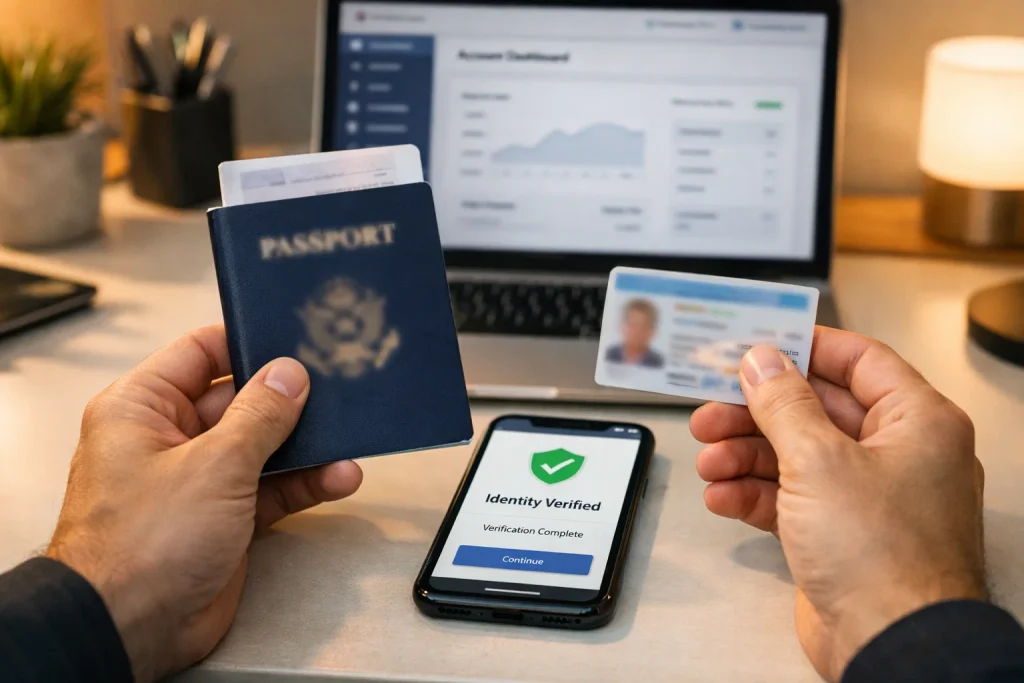
Quick verification unlocks full redemption access. That’s the bargain sweepstakes casinos offer: submit your identity documents once, pass the review, and redeem sweep coins without friction going forward. With the sweepstakes casino industry generating over $10.6 billion in gross revenue during 2024 according to KPMG data, platforms process millions of verification requests annually. The process feels bureaucratic when you’re eager to cash out winnings, but it protects both the platform and legitimate players from fraud.
Know Your Customer requirements aren’t unique to sweepstakes casinos—banks, brokerages, and cryptocurrency exchanges use similar verification protocols. The standards reflect anti-money laundering regulations and platform policies designed to ensure real people receive real prizes. Fake accounts, duplicate registrations, and underage players get filtered out through document verification.
Most players encounter KYC when they attempt their first redemption. You’ve accumulated sweep coins, you want to convert them to cash, and suddenly the casino asks for your driver’s license and a utility bill. Understanding what’s required and why helps you prepare the right documents and navigate the process with minimal delays.
Why KYC Is Required
Sweepstakes casinos verify identities for multiple reasons, starting with basic fraud prevention. Without verification, bad actors could create dozens of accounts to exploit welcome bonuses, engage in money laundering, or claim prizes under fake identities. KYC creates accountability—each verified account connects to a real person with documented identity.
Age verification represents another critical function. All sweepstakes casinos require players to be at least 18, and some states mandate 21 as the minimum age. UMG Gaming data shows 71% of sweepstakes players fall between ages 21-34, but platforms must verify every participant regardless of demographic probabilities. Document verification confirms you meet the legal age requirement for your jurisdiction. This protects minors from gambling-adjacent entertainment and protects platforms from regulatory consequences of allowing underage participation.
Industry self-regulation also drives KYC standards. The Social and Promotional Games Association establishes baseline requirements that member operators follow, including identity verification protocols. Platforms adhering to SPGA guidelines implement consistent verification standards that exceed legal minimums in some jurisdictions.
Tax compliance creates additional motivation. When redemptions exceed reporting thresholds, casinos must file 1099-MISC forms with accurate taxpayer information. Verified accounts ensure the casino has correct names, addresses, and Social Security numbers for tax reporting purposes. Inaccurate information creates problems for everyone involved.
Required Documents
Standard verification requests fall into two categories: proof of identity and proof of address. You’ll typically need one document from each category, though requirements vary by platform and your redemption amounts.
Government-issued photo identification satisfies the identity requirement. Acceptable documents include driver’s licenses, state ID cards, passports, and military ID. The document must be current—expired IDs get rejected regardless of how clearly they display your information. Make sure the photo is clear, all text is readable, and the entire document appears in your submission without cropped edges.
Proof of address confirms where you live, which matters for both tax reporting and jurisdiction verification. Utility bills work best—electric, gas, water, or internet bills showing your name and address within the past 90 days. Bank statements, credit card statements, and official government correspondence also qualify. Lease agreements sometimes work, though some platforms prefer documents showing recent activity rather than static contracts.
Higher redemption amounts may trigger enhanced verification. Some casinos request Social Security numbers or the last four digits thereof for players redeeming substantial sums. Source of funds documentation occasionally appears for very large redemptions, asking you to explain where the money you’ve spent on gold coins originated. These enhanced checks typically apply only to players moving significant amounts through the platform.
Prepare documents before you need them. Scan or photograph your ID and a recent utility bill in advance, stored somewhere you can access quickly. When the verification prompt appears, having documents ready means same-day submission rather than hunting through files while your redemption waits.
Verification Process
The verification process typically begins when you initiate your first redemption. Most platforms require minimum redemption amounts between 50 and 100 sweep coins before they’ll process a cash-out, and that first redemption attempt triggers KYC regardless of the amount involved. You’ve proven you want to move money—now prove you are who you say you are.
Modern sweepstakes casinos use secure document upload portals integrated into their websites or apps. Navigate to your account settings, find the verification section, and follow the prompts. You’ll upload images of your ID and proof of address, answer a few questions confirming details match your account information, and submit everything for review.
Some platforms use automated verification services that match your submitted documents against database records. These systems check that the address on your utility bill matches the address on your account, that the name on your ID matches your registered name, and that the document images appear genuine rather than digitally altered. Automated approvals sometimes complete within minutes.
Manual reviews take longer but follow the same basic pattern. A compliance team member examines your documents, verifies the information, and either approves your account or requests additional documentation. Common rejection reasons include blurry images, expired documents, mismatched addresses, and names that don’t quite align with account records.
Once verified, your status persists indefinitely unless something triggers re-verification. Address changes, large unusual transactions, or platform policy updates might require you to submit updated documents, but most players complete verification once and never think about it again.
Timeline Expectations
Verification timelines range from immediate to several days depending on the platform and your documentation quality. Automated systems processing clear, standard documents sometimes approve accounts within minutes. Manual reviews typically take one to three business days, with complex cases or incomplete submissions extending timelines further.
The best way to accelerate verification is submitting complete, high-quality documents on the first attempt. Blurry photos require resubmission. Mismatched information requires explanation. Each request-and-response cycle adds days to your timeline. Get it right initially and the process moves fastest.
Weekend and holiday submissions face additional delays at platforms relying on manual review teams. A Friday afternoon submission might not receive attention until Monday. If you’re anticipating a redemption around a holiday weekend, submit verification documents well in advance rather than waiting until you’re ready to cash out.
Expedited verification options occasionally exist for players willing to pay premium fees or those with significant account activity. These fast-track services aren’t widely advertised but sometimes appear in communications with customer support. Ask if you’re facing time pressure, though standard processing usually satisfies most players.
Once approved, future redemptions skip the verification queue entirely. Your first redemption involves the longest wait; subsequent ones process according to the platform’s standard payout timeline without additional identity checks.
Final Thoughts
KYC verification is a one-time inconvenience that unlocks permanent redemption access. The process exists to prevent fraud, verify age, ensure tax compliance, and maintain the legitimacy of sweepstakes casino operations. Fighting it or resenting it accomplishes nothing—platforms require verification regardless of how you feel about the process.
Preparation makes everything easier. Have your ID and a recent utility bill digitized and ready before you attempt your first redemption. Submit clear, complete documentation that matches your account information exactly. Address any discrepancies proactively by contacting customer support before the verification team flags problems. Get through it once, correctly, and you’ll never deal with identity verification at that platform again.