
Sweepstakes Casino Age Requirements: 18+ vs 21+ States
 Available in US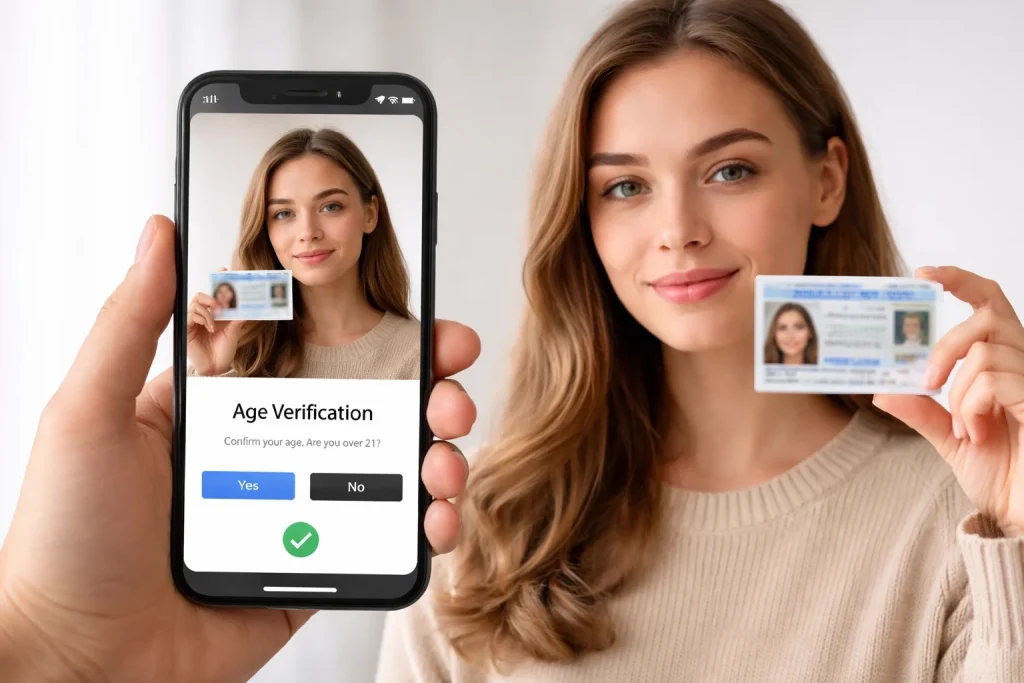
Know the age rules before you sign up. Age requirements at sweepstakes casinos vary by state and platform, creating a patchwork of minimums that players must navigate. Research from UMG Gaming indicates approximately 71% of sweepstakes players fall between ages 21-34, suggesting most participants comfortably exceed minimum thresholds. With 55+ million Americans participating in sweepstakes games annually, understanding exactly which age requirements apply determines access eligibility for younger adults.
The distinction between 18+ and 21+ states reflects different regulatory approaches to age-gating entertainment with gambling-adjacent characteristics. Some states apply traditional gambling age requirements to sweepstakes casinos; others treat them as promotional games with lower thresholds; still others defer to platform policies that may exceed state minimums.
This guide clarifies federal versus state age rules, identifies states requiring 21+ participation, explains verification processes, and details how platforms implement and enforce age requirements. The information ensures you understand eligibility before attempting registration.
Federal vs State Rules
No federal law establishes uniform age requirements for sweepstakes casino participation. The federal sweepstakes framework governs prize structure and entry methods but leaves age determination to states. This creates the variability players encounter when accessing platforms from different locations.
Sweepstakes casinos operate legally in 35+ states according to KPMG analysis, with age requirements varying across this footprint. States approach age-gating through several frameworks depending on how they classify sweepstakes casinos—as gambling, as promotional gaming, or as entertainment.
States treating sweepstakes casinos as gambling typically apply their standard gambling age requirements. If a state requires 21+ for casino gambling, sweepstakes casinos operating there may face the same threshold. This classification approach creates stricter requirements than the sweepstakes model itself necessitates. Some regulators take particularly strong positions—Brian O’Dwyer, Chairman of the New York State Gaming Commission, has stated: “These so-called ‘sweepstakes’ games are unscrupulous, unsecure, and unlawful.”
States viewing sweepstakes casinos as promotional games often accept lower age thresholds. The traditional sweepstakes age requirement of 18+ reflects promotional contest norms rather than gambling norms. Platforms in these states can legally accept adult participants regardless of gambling-specific ages.
Platform policies sometimes exceed state minimums. Even where states permit 18+ participation, platforms may implement 21+ requirements uniformly for operational simplicity or risk management. A platform allowing 18-year-olds in some states but not others faces verification complexity and potential compliance errors.
Interstate consistency motivates some platforms to apply 21+ requirements everywhere rather than managing state-by-state variations. This approach sacrifices some potential player base for reduced compliance burden and consistent marketing messaging.
21+ States List
Several states require 21+ age for sweepstakes casino participation due to their regulatory frameworks or platform policy decisions. Understanding which states require 21+ helps younger adults determine their eligibility.
States with traditional gambling frameworks often apply 21+ requirements to sweepstakes casinos. These jurisdictions view the gaming experience rather than the technical legal structure as determinative. If it looks and feels like gambling, they regulate it like gambling—including age requirements.
Arizona, Colorado, and several other states require 21+ for various gambling activities, with sweepstakes casinos sometimes falling under these requirements depending on regulatory interpretation. Platform compliance approaches may apply 21+ requirements in states where legal requirements remain ambiguous.
Nevada presents unique circumstances given its extensive gambling infrastructure. The gaming commission’s approach to sweepstakes casinos affects how platforms operate there and what age requirements apply. Platforms may choose to avoid Nevada entirely rather than navigate its complex regulatory environment.
State requirements change as legislatures and regulators clarify their positions on sweepstakes casinos. A state permitting 18+ participation today might impose 21+ requirements following legislative action. Monitor your state’s current status rather than relying on potentially outdated information.
Platforms publish their state-by-state age requirements in terms and conditions. These documents reflect current compliance positions and should be consulted directly rather than relying on third-party summaries that might not reflect recent changes.
Verification Process
Age verification occurs during registration and sometimes again during redemption. Platforms employ multiple methods to confirm participants meet age requirements before allowing play or prize collection.
Initial registration typically requires date of birth entry. The self-reported age triggers immediate restrictions if the entered date indicates underage status. While this step catches obvious cases, it relies on honest disclosure and doesn’t prevent determined minors from entering false information.
Identity verification through document submission provides stronger age confirmation. Driver’s licenses, state IDs, and passports all display birth dates that platforms verify against registration claims. This documentation requirement appears either at registration or before first redemption depending on platform policies.
Third-party verification services check submitted information against databases to confirm identity and age. Services like those provided by identity verification companies can confirm that registration details match real individuals of appropriate age. These automated checks scale better than manual document review.
Manual document review examines submitted identification for authenticity and age confirmation. Trained staff verify that documents appear genuine and that the birth date confirms legal participation age. This process adds delay but catches issues automated systems might miss.
Ongoing verification may occur if platforms have reason to question age claims. Unusual activity patterns, inconsistent information, or reported concerns can trigger additional verification requirements even for established accounts. Maintaining consistent, accurate account information avoids these complications.
Verification failures result in account restrictions or closures. Players unable to confirm appropriate age lose access to platforms and forfeit any accumulated balances. Attempting to circumvent age requirements through false information violates platform terms and may have legal consequences.
Platform Policies
Individual platforms implement age requirements through their terms of service, sometimes exceeding state minimums for operational or strategic reasons. Understanding platform-specific policies ensures accurate expectations about access.
Chumba Casino and LuckyLand Slots under VGW management maintain consistent age policies across their platforms. Their terms specify minimum ages that reflect both legal requirements and corporate policy decisions. Check current terms directly rather than assuming consistency with other platforms.
Stake.us applies age requirements reflecting their market positioning and regulatory strategy. Their crypto-focused approach may influence how they handle age verification and what thresholds they implement. Platform terms clarify exact requirements.
WOW Vegas, Pulsz, and other major platforms each maintain independent age policies. Competition doesn’t force uniform approaches—each platform balances compliance requirements, operational simplicity, and market access in determining their age requirements.
Age policy changes occur as platforms adjust to regulatory developments or refine their compliance approaches. A platform accepting 18-year-olds today might raise requirements to 21+ following regulatory pressure or strategic recalculation. Terms of service amendments reflect these changes.
Attempting to access platforms despite not meeting age requirements violates terms of service and potentially state law. Beyond account closure and balance forfeiture, participants may face legal liability for fraudulent representations. The risks substantially exceed any potential benefit from circumventing age gates.
Final Thoughts
Age requirements at sweepstakes casinos reflect a complex interaction of state laws, regulatory interpretations, and platform policies. The 18+ versus 21+ distinction varies by location and platform, requiring individual verification before attempting registration. Most adult players exceed minimum thresholds comfortably, but younger adults must confirm eligibility based on their specific circumstances.
Verify current requirements through platform terms of service rather than assuming based on general information. Requirements change, platforms differ, and accurate understanding prevents wasted registration attempts or worse consequences. If you meet applicable age requirements, verification processes confirm your eligibility; if you don’t, the restrictions exist for legitimate reasons that circumvention only compounds.